

115 Academic Year New Student Orientation Successfully Held by the Graduate Institute of Clinical Medical Sciences
Faculty and Students Meet and Connect, Embarking on a New Journey of Research and Learning
To welcome the incoming students of the 115
Academic Year to the Graduate Institute of Clinical Medical Sciences, the
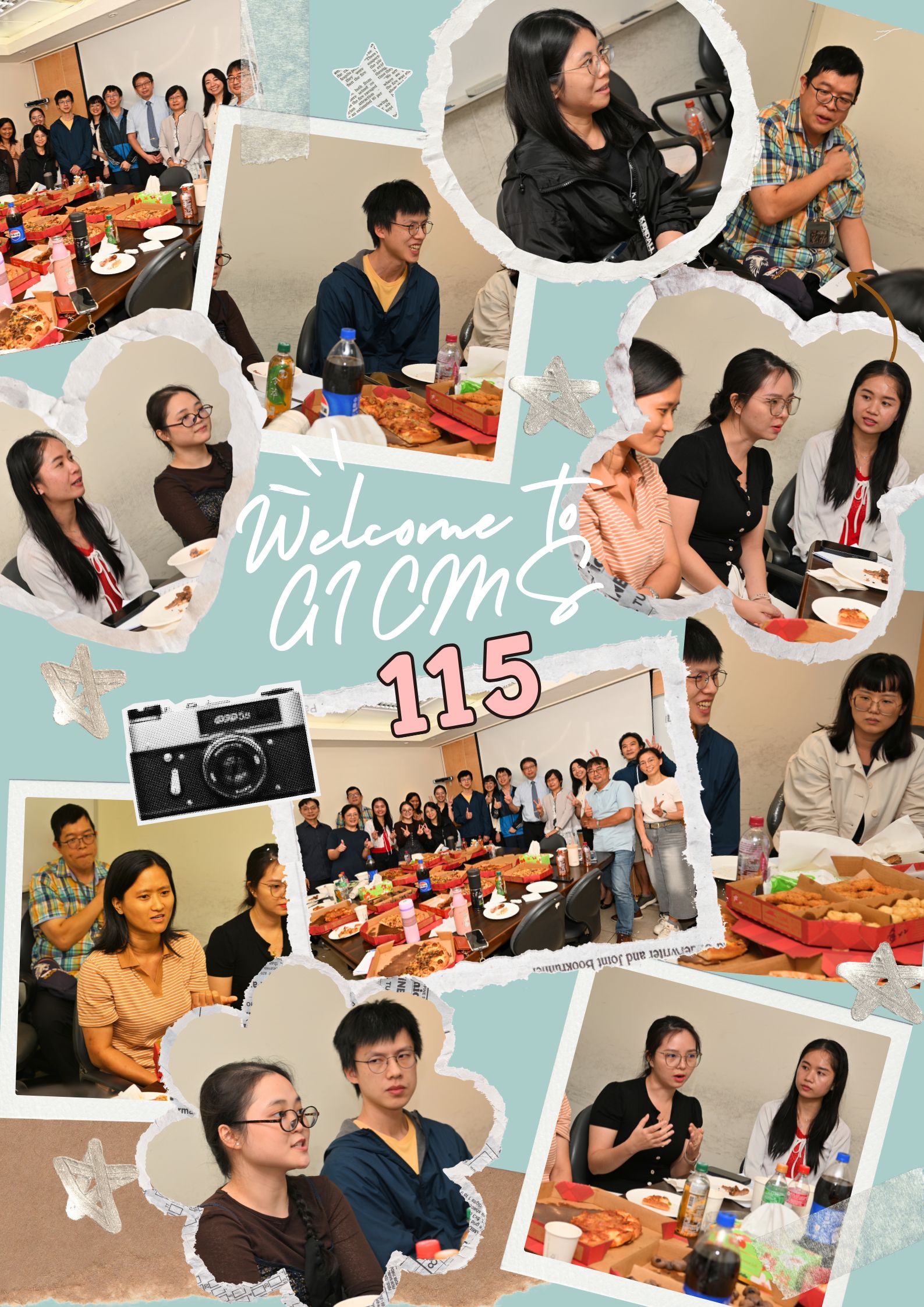
Institute hosted the “New Student Orientation and Faculty-Student Gathering” on September 11, 2026. Faculty members and new students came together in a warm and relaxed atmosphere to interact, exchange ideas, and officially begin an exciting new chapter in their academic and research journey.
The event commenced with welcoming remarks
from the Institute Director, Dr. Huang who encouraged students to make the most
of their graduate studies by embracing curiosity, actively pursuing knowledge,
and cultivating independent thinking and interdisciplinary collaboration skills. The Director also introduced important academic regulations, degree requirements, and research-related guidelines, helping students plan their studies effectively and work toward the successful completion of their academic goals.
A faculty and student self-introduction
session followed, during which participants shared their academic backgrounds,
research interests, and future aspirations. This interactive exchange not only
allowed new students to become more familiar with the expertise of faculty members but also provided opportunities for students to get to know one another and build potential research collaborations. The friendly and engaging atmosphere reflected the excitement and enthusiasm of the new cohort as they prepared to embark on their graduate education.
A highlight of the orientation was the participation of Ting-Ting Yeh,
Associate Professor and Director of the CGU Biodesign Center. With extensive international experience in teaching, research, and biomedical innovation, Professor Yeh has been actively involved in fostering clinical innovation and translational medicine education.
During the session, Professor Yeh introduced a newly offered elective course, Clinical Biodesign & Translational Innovation,
which aims to equip students with a structured Biodesign methodology for
identifying unmet clinical needs and transforming observations into practical healthcare solutions. The course guides students through problem definition, concept generation, prototyping, validation, and an understanding of regulatory, reimbursement, market, and translational strategies.
Designed as a 16-week learning journey, the
course covers topics including need discovery, insight synthesis, concept development, and translation strategy. Through hands-on activities and interdisciplinary thinking, students are encouraged to progress from recognizing clinical challenges to developing innovative and implementable solutions with real-world impact.
Professor
Yeh also shared examples of healthcare innovation initiatives and encouraged
students to look beyond traditional research frameworks. She emphasized the
importance of transforming laboratory discoveries and scientific findings into
innovations that address clinical needs, improve patient care, and create
meaningful societal impact. By integrating scientific inquiry with innovation and industry perspectives, research outcomes have the potential not only to advance knowledge but also to evolve into healthcare technologies, biotechnology products, or health service solutions that benefit society.
For graduate students, academic research
remains the cornerstone of scholarly training. However, combining rigorous
research with innovative thinking and interdisciplinary collaboration can
significantly enhance the value and impact of research outcomes. Such an
approach enables scientific discoveries to move beyond publications and into clinical practice and industry applications, ultimately improving health outcomes and quality of life. This vision aligns closely with current global trends in biomedical research, translational medicine, and healthcare innovation.
The Institute hopes that initiatives such as
this innovative course will inspire not only incoming students but also
students at all stages of their graduate studies to participate. By cultivating the ability to identify challenges, develop solutions, and collaborate across disciplines, students can bring research beyond the laboratory and transform their work into innovations that generate societal, clinical, and economic value.
The gathering concluded with a casual
luncheon, where faculty members and students continued to exchange experiences and insights in a welcoming environment. Through these conversations, students gained a better understanding of graduate life, academic requirements, and the diverse opportunities available for research, innovation, and professional development.
More than just a welcome event, the 115
Academic Year New Student Orientation marked the beginning of a shared journey
of learning, discovery, and growth. The Institute looks forward to supporting each student through its rich academic resources and dedicated faculty mentorship, helping them develop professional expertise, global perspectives, and innovative mindsets as they pursue excellence in research and contribute to the advancement of medicine and healthcare.
📸 Amid lively conversations and a memorable group photo, the orientation concluded on a high note, symbolizing the official launch of the 115 Academic Year for the Graduate Institute of Clinical Medical Sciences. We warmly welcome all new students to the CGU Clinical Medicine family and look forward to growing, learning, and innovating together. ✨
Clinical Biodesign & Translational Innovation
GICMS New Student Orientation for Academic Year 2026–2027 Successfully Held
GICMS New Student Orientation